Why Water heater replacement Plano is essential when you notice rusty water.
Discover the Numerous Sorts Of Water Heating Unit Substitute Solutions Available Today
The landscape of water heating unit substitute options has progressed considerably in the last few years. Property owners currently face a range of options, each designed to meet specific requirements and preferences. From standard tank systems to cutting-edge tankless designs, the possibilities can be overwhelming. Comprehending the benefits and drawbacks of each kind is important. What could look like a straightforward choice can impact both effectiveness and convenience in the lengthy run. The exploration of these options exposes much even more than anticipated.
Typical Storage Tank Water Heaters
Typical container water heating systems have actually long been a staple in household pipes systems. These systems normally contain a big protected tank that shops warmed water, ready for usage when needed. Typically offered in numerous dimensions, they can accommodate several home needs, from tiny houses to bigger homes. The heating element can be fueled by electricity, gas, or propane, making them versatile choices for numerous customers.
Regardless of their integrity, standard container hot water heater have some limitations. They require appropriate space for installment and can be much less energy-efficient compared to more recent innovations. In addition, the warm water supply is limited, necessitating time for the storage tank to reheat and replenish after hefty use. Normal upkeep, such as purging the tank to remove debris accumulation, is vital for peak efficiency. As innovation develops, home owners often consider different choices, yet conventional tank water heating units remain a prominent selection for their straightforward operation and established integrity.
Tankless Hot Water Heater
Tankless water heating units existing significant energy effectiveness advantages by heating water as needed, as a result reducing energy consumption compared to conventional systems. Installation factors to consider, such as unit size and location, are crucial for suitable performance. Recognizing these aspects can assist property owners make educated decisions regarding their water home heating demands.
Energy Performance Advantages
The change towards energy-efficient appliances has prominently highlighted the advantages of tankless hot water heater. These systems offer warm water on demand, getting rid of the demand for a storage tank, which can bring about significant energy savings. Unlike conventional water heaters, tankless models just warmth water when called for, causing minimized power usage and reduced utility expenses. Furthermore, they have a longer life expectancy, usually exceeding twenty years, which adds to sustainability by reducing waste. Their compact dimension permits versatile installment choices, additionally enhancing energy effectiveness in homes. Overall, tankless hot water heater exhibit modern-day advancements in technology, providing customers an environmentally friendly service that straightens with the growing focus on energy conservation and reduced carbon footprints.
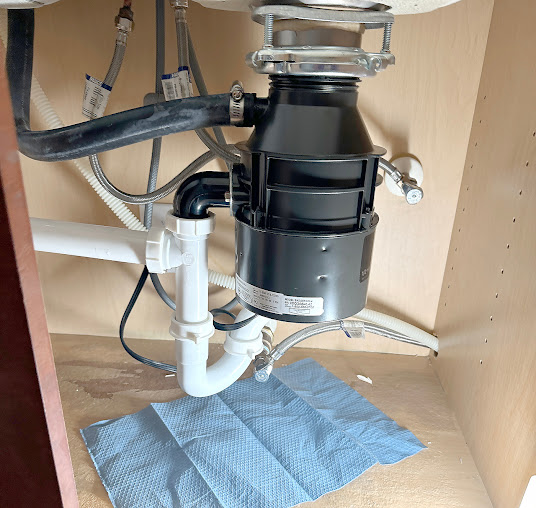
Setup Factors to consider
With expanding rate of interest in energy-efficient options, property owners considering tankless water heating systems should take certain installation elements into account. First, correct sizing is vital; choosing a device that matches the home's height hot water need guarantees peak performance. Furthermore, the installation area requires sufficient air flow, especially for gas-powered designs, to prevent harmful discharges. Electric requirements may likewise differ, as some devices demand a committed circuit. Existing pipes and gas lines must be reviewed for compatibility, which may involve updating connections or pipes. Neighborhood building codes and policies must be adhered to during installation. Lastly, working with a certified expert for the installation procedure is recommended to guarantee safety and performance, making best use of the advantages of the tankless system.

Heat Pump Water Heaters
Heatpump water heaters offer substantial power effectiveness advantages, making them an appealing option for home owners seeking to decrease utility prices. However, their installation requires cautious factor to consider of room and compatibility with existing systems. Regular maintenance is additionally necessary to guarantee peak efficiency and durability.
Energy Effectiveness Conveniences
While house owners look for means to decrease power intake, heatpump water heating systems become a leading option as a result of their impressive power performance advantages. Utilizing electrical energy to move heat from the air or ground to warmth water, these systems can be 2 to 3 times more efficient than conventional electrical water heating systems. This equates right into substantial energy savings, lowering energy expenses while minimizing environmental effect. In addition, heatpump water heaters usually get power performance rebates and rewards, even more boosting their cost-effectiveness. Their long life is another benefit, as they usually last longer than traditional units. By embracing this technology, home owners can add to a much more lasting future while appreciating significant savings on energy costs.
Installment Considerations
Setting up a heatpump water heating system calls for cautious factor to consider of different factors to assure peak performance and effectiveness. First, ample area is necessary, as these systems require adequate clearance for air flow and upkeep. Furthermore, the area should remain in a climate-controlled area to optimize efficiency, ideally in cellars or laundry room. Proper electrical demands have to be satisfied, including making certain that the existing wiring can support the system's needs. Homeowners need to also evaluate the hot water demands of their home to choose a properly sized model. Neighborhood building codes and guidelines should be stuck to during installation. By attending to these considerations, customers can improve the durability and efficiency of their heatpump water heating system.
Maintenance Needs
Appropriate maintenance of heatpump water heaters is essential for assuring their performance and durability. Normal upkeep consists of inspecting the air filter regular monthly and cleansing or replacing it as needed to enhance air flow. In addition, home owners ought to inspect the condensate drainpipe for obstructions to avoid water anytime plumbing damages and keep peak efficiency. Yearly specialist evaluations are suggested to analyze refrigerant degrees and verify the system operates effectively. In addition, the water tank should be purged regularly to remove debris accumulation, which can hinder efficiency. Lastly, keeping clear accessibility around the system makes sure proper ventilation and safety and security. By sticking to these maintenance techniques, warm pump water heaters can provide reputable solution and power financial savings with time.
Solar Water Heaters
Solar water heaters represent an ingenious method to energy-efficient heating options. By harnessing the sun's power, these systems convert sunlight right into heat, which is then used to cozy water for domestic use. This technique significantly reduces reliance on fossil fuels and reduces greenhouse gas discharges, making it an environmentally pleasant option.
Typically, solar water heating systems include solar enthusiasts, which record sunlight, and a storage space tank, where the warmed water is kept for view publisher site later use. They can be installed on rooftops or in open locations with sufficient sunshine direct exposure.
While the preliminary financial investment might be higher contrasted to standard hot water heater, the long-term financial savings on power bills can be significant. Additionally, several areas use incentives or tax obligation credit reports for property owners who pick solar technology, more boosting their allure. As energy costs continue to rise, solar hot water heater present a lasting and practical option for modern-day families.
Hybrid Water Heaters
Hybrid water heating units combine the advantages of standard container hot water heater and modern-day warmth pump technologies, providing a reliable service for heating water. These systems use electricity to power a heatpump, which removes heat from the bordering air and transfers it to the water. This procedure greatly reduces power usage compared to conventional electrical hot water heater.
Crossbreed versions are created to switch over between electrical resistance heating and heat pump procedure, permitting ideal efficiency based upon need and environmental conditions. They usually have a larger storage space capability and faster recuperation rates, making them ideal for homes with varying warm water needs.
Hybrid water heaters can certify for power performance discounts and rewards, adding to long-lasting cost savings. Their installation may need added space as a result of the heat pump element, but the power savings and decreased ecological impact typically outweigh these factors to consider. Generally, hybrid water heating systems present a compelling alternative for eco-conscious consumers.
Point-of-Use Water Heaters
Point-of-use hot water heater give a convenient remedy for instant warm water requires in specific locations of a home or organization. These portable units are generally installed near appliances, showers, or sinks, eliminating the await warm water to travel through long pipelines. They operate on-demand, home heating water as it is needed, which can bring about substantial energy savings.
Point-of-use heating units come in different types, consisting of electrical and gas versions, making them flexible for different settings. Ideal for little households or for increasing existing systems, they can be used as standalone units or together with bigger water heating systems.
In addition, their setup is generally straightforward, requiring marginal alterations to existing pipes. House owners and business operators appreciate the space-saving style and effective performance, making point-of-use water heating units a popular selection for boosting comfort and comfort without considerable remodellings.
Condensing Hot Water Heater
Condensing water heaters represent a reliable alternative for homeowners looking for to lower power intake while keeping a reputable warm water supply. These systems make use of a distinct method of warmth exchange, catching exhaust gases that would typically escape via the flue. By reusing this heat, condensing water heating systems can achieve efficiency ratings exceeding 90%, significantly lowering energy expenses.
Readily available in both storage tank and tankless models, these heating systems adjust to various household dimensions and hot water demands. They generally operate on all-natural gas or lp, making them appropriate for many homes. Additionally, condensing hot water heater add to a lower carbon impact as a result of their improved efficiency, appealing our website to ecologically mindful consumers.
Nevertheless, setup might call for adjustments to existing venting systems, potentially enhancing initial prices. In general, condensing water heaters use an engaging service for those focusing on energy effectiveness and sustainability in their hot water home heating alternatives.
Regularly Asked Concerns
Exactly how Do I Know Which Water Heating Unit Is Right for Me?
To determine the best hot water heater, one need to think about aspects such as household dimension, power source preferences, spending plan, and efficiency ratings. Water heater replacement Frisco. Consulting a specialist can better aid in making an informed decision based on specific requirements
What Factors Affect the Lifespan of a Hot Water Heater?
Several variables influence a hot water heater's lifespan, including water top quality, use patterns, upkeep techniques, installment conditions, and the unit's construct quality. Timely repair work and normal examinations can considerably expand the operational life of the appliance.
Are There Any Refunds for Changing My Water Heater?
Several utility firms and government programs supply discounts for replacing hot water heater, particularly energy-efficient versions. Home owners ought to look into neighborhood rewards to optimize financial savings when updating their appliances, as these refunds can significantly decrease replacement costs.
How Frequently Should I Keep My Water Heating Unit?
Hot water heater need to be maintained each year to assure peak efficiency and long life. Routine assessments, flushing, and checking parts can prevent problems, enhance efficiency, and lengthen the unit's life expectancy, inevitably minimizing repair service expenses and energy expenses.
Can I Set Up a Water Heating Unit Myself?
He can set up a hot water heater himself, given he possesses the needed skills and devices. However, it is suggested to speak with neighborhood codes and guidelines, as expert setup usually guarantees safety and conformity with criteria.
Tankless water heaters existing significant power effectiveness advantages by home heating water on need, consequently lowering energy consumption compared to conventional systems. Unlike conventional water heating units, tankless versions only heat water when required, resulting in minimized power intake and reduced energy bills. Crossbreed water heating systems combine the advantages of typical storage tank water heating systems and contemporary warm pump technologies, supplying a reliable remedy for home heating water. Point-of-use water heaters offer a hassle-free remedy for instantaneous hot water requires in particular areas of a home or company. Condensing water heating units stand for a reliable choice for home owners seeking to minimize energy consumption while preserving a reputable warm water supply.